
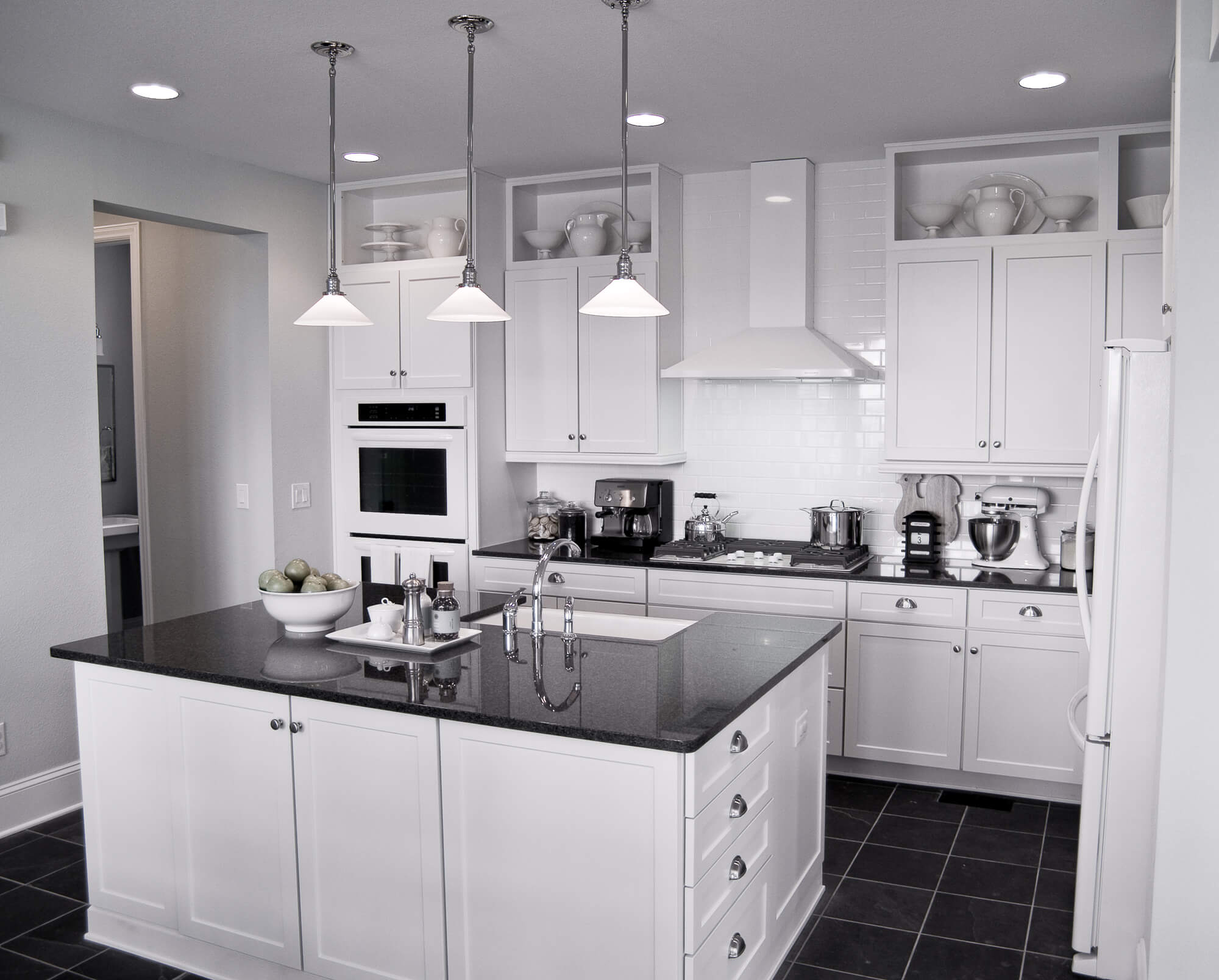
A well-organized and tidy kitchen not only enhances the aesthetic appeal of your home but also makes daily cooking and meal preparation a breeze. If you’re tired of cluttered countertops, overstuffed cabinets, and the constant struggle to find what you need, it’s time to revamp your kitchen organization.
In this guide from Big Easy Kitchens, join us to explore ten effective ways to keep your kitchen organized and tidy, from decluttering to seeking professional help from a kitchen remodeling contractor.
1.Embracing Decluttering and Purging
Decluttering your kitchen leads to a more functional space. Regular purging sessions help maintain this orderliness.
-
Identify Non-Essential Items
The first step in organizing your kitchen is identifying items that you no longer need or use. This process can be surprisingly emotional, as many of us attach memories to our belongings. However, the reality is that a cluttered mess does nothing but add stress and confusion to daily life.
To begin, take everything out of your cabinets and drawers. Examine each item critically. If you haven’t used something in over a year, it’s likely not essential.
-
Minimalist Kitchen Benefits
Adopting a minimalist approach in the kitchen has several benefits. It creates an environment where every tool and ingredient has its place, which can significantly reduce preparation time for meals.
A minimalist kitchen also reduces visual clutter. This simplicity can lead to a calmer cooking environment and make cleaning tasks like wiping down surfaces much quicker since there are fewer items to move around.
Moreover, fewer items mean less dust collection and easier maintenance overall. A clean, minimal space is inviting and increases the likelihood of healthier eating habits as well; when your kitchen feels good to be in, you’re more likely to cook at home rather than opting for takeout.
-
Regular Decluttering Sessions
To ensure your kitchen remains organized and tidy, schedule regular decluttering sessions. These don’t have to be lengthy or overwhelming—setting aside just 15 minutes every week can make a significant difference.
During these sessions, go through drawers and cabinets with garbage bags at hand for easy disposal of any unwanted items. Be honest about what you actually use versus what’s simply taking up space.
2. Mastering Drawer Organization
After embracing decluttering and purging, the next step is to master drawer organization. This ensures every utensil has a place, and unnecessary items are removed.
-
Use Drawer Dividers

Drawer dividers transform chaotic kitchen drawers into models of efficiency. They allow for the neat sorting of utensils, making it simple to find what you need. By assigning compartments within drawers for different types of utensils, you streamline your cooking process.
Organizers come in various materials like wood or plastic. Choose ones that fit your drawers snugly and match your kitchen’s aesthetic. With these dividers, retrieving a whisk or spatula during a cooking frenzy becomes effortless.
-
Designate Tool Spots
Having a designated spot for each tool or gadget further refines organization. It’s about creating a logical system where similar items reside together. Knives might have their own section while measuring spoons cluster nearby.
This approach reduces time spent rummaging through drawers. It also prevents damage to tools from improper storage. Your kitchen efficiency soars when each item has its rightful place.
Shelving can be an extension of this principle for items too large for drawers. Open shelving units keep frequently used gadgets within easy reach but off the counter.
-
Discard Unwanted Items
Discarding mismatched or broken items is essential to maintaining order in your kitchen drawers. If it doesn’t work or lacks its pair, it shouldn’t take up space.
Regularly review the contents of the junk drawer as well—everyone has one! Be ruthless; if you haven’t used it in months, it’s likely not needed. This habit ensures that only functional and necessary tools populate your space.
Bins can help segregate items set aside for donation or disposal during this culling process. Once cleared out, reorganize what remains with fresh eyes and new purpose.
3. Categorizing and Labeling
Categorization and labeling play a crucial role in kitchen organization. Group similar items together in your pantry, cabinets, and refrigerator to make them easier to find.
Label containers and shelves to ensure everyone in your household knows where everything belongs. Establish a pantry organization system, with designated areas for spices, canned goods, baking supplies, and more.
4. Proper Food Storage
