
Planning a New Orleans kitchen remodel around hurricane season means sequencing the risky stages away from the busiest weeks. The Atlantic season runs June 1 through November 30 and peaks on September 10, with most activity between mid-August and mid-October. Front-load demolition and rough-in, reach a weather-tight point before the peak, and agree on a securing plan with your contractor in writing. Interior finish work tolerates a pause far better than an open wall does.
Remodeling in New Orleans means working around a season that lasts half the year. Waiting for a clear six-month window is not a plan, so the practical question is which stages sit where.
An open kitchen is a different kind of exposure than a finished one, and that difference is what scheduling actually manages. At Big Easy Kitchens, we build kitchens through the season every year and sequence the work with the calendar in view.
Here is how the season maps onto a project, and what to settle before anyone opens a wall. Contact us today to talk through timing before your project locks a start date.
When Hurricane Season Actually Runs in New Orleans
Season dates are published climatology, not a forecast, and they are the only part of this you can plan against with confidence. The National Hurricane Center defines the Atlantic season dates and publishes its statistical peak.
| Season Window | What It Means for a Remodel |
|---|---|
| December through May, outside the season | The widest window for demolition and structural work with the least weather pressure. |
| June 1, season opens | Still a workable stretch, but a securing plan should already be in place. |
| Mid-August to mid-October, most activity | The weeks to be weather-tight rather than mid-demolition. |
| November 30, season closes | Weather pressure eases and finish work typically runs on a normal schedule again. |
Those dates come from the National Hurricane Center’s climatology page, and New Orleans falls inside the Atlantic basin because the Gulf of Mexico is part of it. Nothing here predicts what any given season will do, and no honest schedule should try to.
For a kitchen remodel, planning against climatology means treating the calendar as a fixed shape rather than a variable. Those published windows describe where activity has historically clustered, which is enough to decide when a wall should be open and when it should already be closed.
How an Open Kitchen Reacts to a Storm Threat
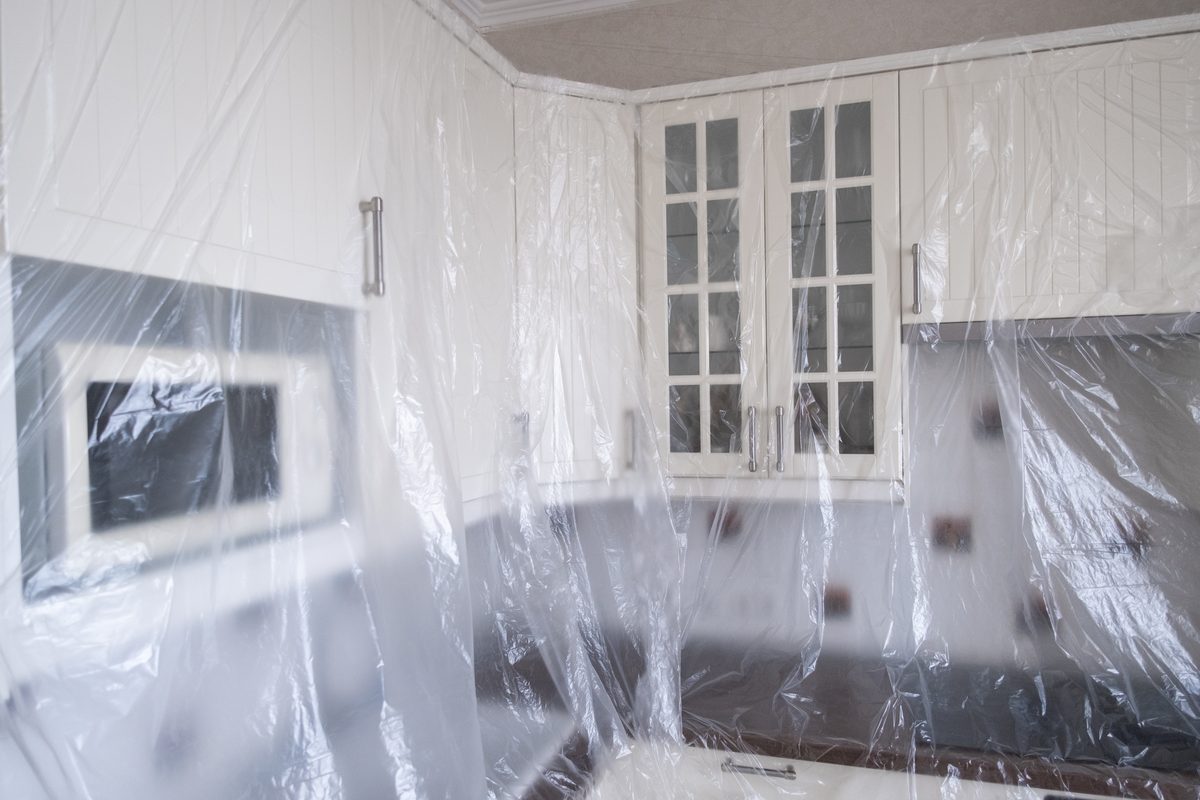
A finished kitchen is a sealed room. A kitchen mid-project is a set of openings, staged materials, and disconnected systems, and each of those behaves differently when a storm threat appears.
Exposed Framing and Wall Cavities
Once cabinets and drywall come off, the wall cavity is open to whatever gets into the room. Wind-driven water travels sideways through openings that a finished wall would have shrugged off.
Open framing also dries slowly. Wet studs and subfloor in a humid climate can hold moisture long enough to affect what gets installed over them.
The exposure window is the thing to manage. A wall opened and closed inside a week carries far less risk than one left open across the peak.
Materials Staged on Site
Cabinets, panels, and flooring often arrive before installation and sit in a garage or a spare room. Those materials are usually the most expensive items in the project and the least protected.
Delivery timing is a scheduling decision, not just a logistics one. Material that arrives two weeks early spends two extra weeks exposed to whatever happens.
Where materials matter most is in the specification itself, which our guide to flood and humidity resistant kitchen materials covers separately.
Utilities Shut Off Mid-Project
A remodel routinely leaves water, gas, or a circuit disconnected for days at a time. That is fine on a normal week and matters more when a household needs to prepare quickly.
Capped lines and open junctions should be documented so anyone can find them. A household should not be hunting for a shutoff during a preparation window.
Agree in advance which systems get restored first if work pauses. Restoring the kitchen sink and a working circuit is usually more valuable than finishing a cabinet run.
Sequencing a Kitchen Remodel Around Hurricane Season

Sequencing is where most of the risk gets managed. The aim is simple: put the open stages in the calmer weeks and the closed stages in the busier ones.
Front-Loading Demolition and Rough-In
Demolition, plumbing rough-in, and electrical rough-in are the stages that leave the room most open. They belong as early in the project as the schedule allows.
Starting late in the spring gives a project real room before the busiest stretch. Starting in mid-August puts the open stages exactly where you least want them.
Our small kitchen remodeling schedule is usually short enough to fit an open stage into a clear window, which is one of the advantages of a tighter scope.
Reaching the Weather-Tight Point
Every project has a moment when the room is closed up again: walls back, openings sealed, and the space no longer exposed. That is the milestone worth naming in the schedule.
Treat it as a checkpoint rather than an assumption. Ask what has to be true before the room counts as closed:
- Walls closed and finished: drywall hung, taped, and sealed at every opening
- Windows and exterior doors set: any temporary covering replaced with the real unit
- Roof and flashing intact: anything opened for a vent run put back properly
- Vent penetrations sealed: hood ducts and exhaust runs terminated, not left open
- Interior work only from here: nothing remaining that reopens the building envelope
If the weather-tight date lands inside the peak weeks, the honest options are starting earlier, reducing the scope, or accepting the exposure knowingly.
Holding Finish Work for Later Weeks
Cabinet installation, counters, tile, and paint are all interior stages in a closed room. They tolerate a pause far better than an open wall does.
That makes them the natural work for the busier weeks. A project that reaches finish stage by mid-August is in a comfortable position.
Deciding this at the design stage is easier than renegotiating it once demolition has started.
What to Settle With Your Contractor Before Work Starts
Most storm-season problems on a jobsite are communication problems. Settling these in writing costs one conversation.
| What to Settle in Advance | Why It Matters |
|---|---|
| Who secures the site, and by when | Removes the argument about responsibility during a short preparation window. |
| Where materials are stored and how they are protected | The most valuable items on site are usually the least protected ones. |
| Which utilities are restored first if work pauses | A household needs water and power more than it needs a finished cabinet run. |
| How the schedule absorbs a pause | Sets expectations before a delay turns into a dispute. |
| Who calls whom, and how quickly | Decisions get made faster when the contact path is already settled. |
Each of those lines matters most at the moment nobody has time to negotiate it, which is why they belong in the contract conversation rather than in a preparation window. Settling them early also tells you something useful about a contractor, because a crew that already has answers has usually worked through a season before.
None of this needs a long meeting. A short written note covering those five points, kept with the schedule, is usually all it takes.
What This Means for Your New Orleans Kitchen Project
The season is not a reason to postpone a kitchen, but a reason to sequence one deliberately. Get the open stages done early, name the weather-tight date, and agree on the securing plan before demolition rather than during a preparation window.
At Big Easy Kitchens, we build the calendar around that milestone and tell you plainly when a start date puts the open stages in the wrong weeks. Call us today to map your project against the season before you commit to a start.
Frequently Asked Questions
When is hurricane season in New Orleans?
The Atlantic hurricane season runs June 1 through November 30, with a statistical peak on September 10 and most activity between mid-August and mid-October, according to the National Hurricane Center. New Orleans is covered because the Gulf of Mexico sits inside the Atlantic basin.
Should you remodel a kitchen during hurricane season?
You can, and most local projects do at some point, because the season covers half the year. What matters is sequencing: keep demolition and rough-in away from the busiest weeks, aim to be weather-tight before them, and agree on a securing plan with your contractor before work starts.
What happens to an open wall during a storm?
An open wall cavity lets wind-driven water reach framing and subfloor that a finished wall would have kept out, and wet framing dries slowly in a humid climate. The risk tracks how long the cavity stays open, so shortening that stretch is the part of the schedule worth protecting.
Should materials be delivered early in a remodel?
Early delivery protects against supply delays but leaves expensive items sitting on site longer, often in a garage or spare room with little protection. During the season, agree on the delivery window and the storage location together rather than treating delivery as pure logistics.
What does weather-tight mean in a remodel?
Weather-tight is the point where the room is closed up again, with walls back in place and openings sealed, so the space is no longer exposed to outside water and wind. Naming that date in the schedule turns it from an assumption into a checkpoint you can plan around.
Should a contractor have a storm plan?
Yes. Ask who secures the site, by when, where materials are stored, which utilities get restored first if work pauses, and how the schedule absorbs a delay. Settling those points in writing before demolition removes most of the friction that appears during a short preparation window.
How do storm delays affect a remodel schedule?
A pause during an open stage costs more time than the pause itself, because drying, re-inspection, and rescheduling trades all follow. Building contingency into the schedule and knowing where the weather-tight milestone falls are the two things that keep a delay from cascading.
What is the best time of year to start a kitchen remodel in New Orleans?
Starting outside the season, roughly December through May, gives the open stages the widest clear window. A late-spring start also works well, because it puts demolition and rough-in early and leaves interior finish work for the busier weeks later in the year.