
To safely dispose of old kitchen cabinets in New Orleans, remove them whole, donate or sell any set that is complete and sound, and take damaged boxes to a landfill that accepts construction and demolition material. The city’s bulky waste list, requested through 311, names appliances and furniture but not renovation debris. In a house built before 1978, avoid sanding or cutting painted cabinets, because old paint layers may contain lead.
At Big Easy Kitchens, we know that every new kitchen starts with an old one that has to go somewhere. That is worth planning early, because a full run of base and wall cabinets fills a pickup truck fast.
A good share of what comes out of a New Orleans kitchen still has a second life. The rest has a proper place to go, and it is rarely the curb in front of your house.
This guide covers donation, resale, city pickup, and the landfills that take what is left. Contact us today to plan your remodel well before demolition day.
What Makes Cabinet Disposal Different From Regular Trash in New Orleans?
Old kitchen cabinets are renovation debris, and New Orleans does not handle them like household trash. The city’s trash collection page defines bulky waste as items not suitable for standard carts, lists appliances, white goods, sofas, and furniture, and says residents must contact 311 to request collection.
The list does not name cabinets or renovation debris. For construction and demolition material, the same page says two landfills currently accept it for a fee, the Gentilly C&D Landfill and the RiverBirch Landfill.
Timing matters even for eligible items. The city says bulky waste should not go out more than 24 hours before the scheduled collection day, and residents who put it out earlier will be fined.
How Do You Decide Whether Old Cabinets Can Be Reused?
Old kitchen cabinets from a New Orleans remodel are worth reusing whenever they are complete and sound. Three checks settle it quickly.
Condition of the Boxes
Start with the boxes rather than the doors, because a box that has failed cannot be rescued by anything bolted to it. Look first at the floor of the sink base, where a slow leak usually shows as swelling, staining, or soft spots.
Plywood boxes tend to survive removal better than particleboard, which can crumble at the screw holes once it has absorbed moisture. A box that sags, flexes, or has pulled loose at the back is debris rather than a donation.
A failed box means the run needs replacing rather than relocating. That is the point where new kitchen cabinets make more sense than salvage.
Doors, Drawers, and Hardware
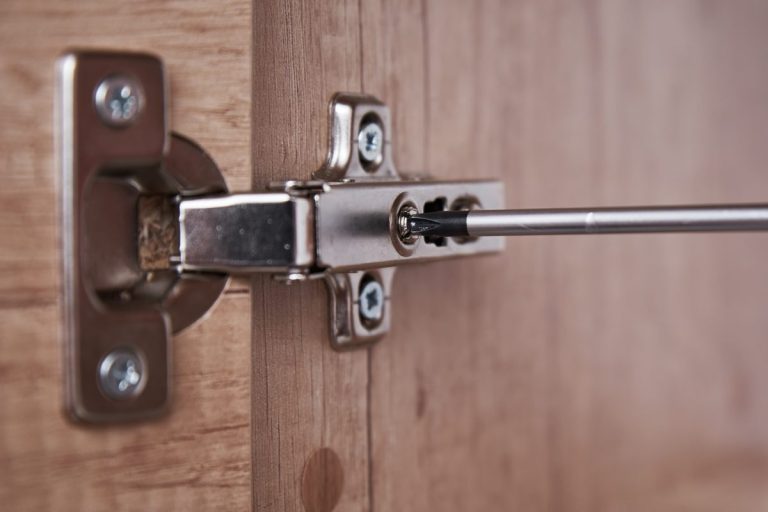 A cabinet missing a door, a drawer front, or its hinges is much harder to place. The New Orleans Area Habitat for Humanity ReStore, for example, lists items that are broken, torn, or missing parts among the things it cannot accept.
Keep each door and drawer with its own box during removal, and bag the hinges and screws for each one. Taping the bag inside the cabinet keeps the set together through loading.
Matching sets sell and donate far more easily than odd pieces. A full run of uppers and lowers from one kitchen is worth keeping together.
Painted Finishes in Older Houses
If your New Orleans house was built before 1978, the year the federal government banned the sale of lead-based paint for homes, painted cabinets may carry old layers under newer ones. EPA says any renovation, repair, or painting project in a pre-1978 home that has lead-based paint can easily create dangerous lead dust.
EPA also requires anyone paid to disturb paint in that housing to be certified. Avoid sanding, scraping, or cutting painted cabinets before they leave the house.
Sometimes the better answer is not removal at all. If the boxes are sound and only the finish is tired, our cabinet refinishing page explains when a finish can be restored instead.
Where Can You Donate or Sell Old Kitchen Cabinets in New Orleans?
Donation is usually the cleanest outlet for complete, sound cabinets. The New Orleans Area Habitat for Humanity ReStore lists cabinets and vanities, appliances, plumbing, and building materials among the items it wants, and it offers residential donation pickup through its website.
Check with the ReStore before demolition day, because acceptance depends on condition and drop-off hours can change. Photos and measurements of the run make that conversation quicker.
Resale is the other route. Plywood and solid wood cabinets in standard widths often find buyers fitting out a garage, laundry room, or workshop.
Tell your contractor before demolition which pieces you want saved. Cabinets meant for donation or sale have to come off the wall whole rather than in pieces, which takes longer than a straight tear-out.
How Should Old Kitchen Appliances Be Handled During a Remodel?
During a New Orleans kitchen remodel, old appliances follow different rules from cabinets, and the refrigerator has the strictest ones.
Refrigerators and Freezers
EPA notes that household refrigerators and freezers enter the waste stream with their refrigerant charge intact, which is why they carry special safe disposal requirements. The final person in the disposal chain is responsible for making sure the refrigerant is recovered before final disposal.
In practice, a refrigerator should go to a handler that deals with refrigerant recovery, not into a general dumpster. Never cut or puncture the refrigerant lines to make a unit lighter to move.
A clean, complete refrigerator that still works can be donated instead. Ask the receiving organization before loading it, since acceptance depends on condition.
Ranges, Dishwashers, and Microwaves
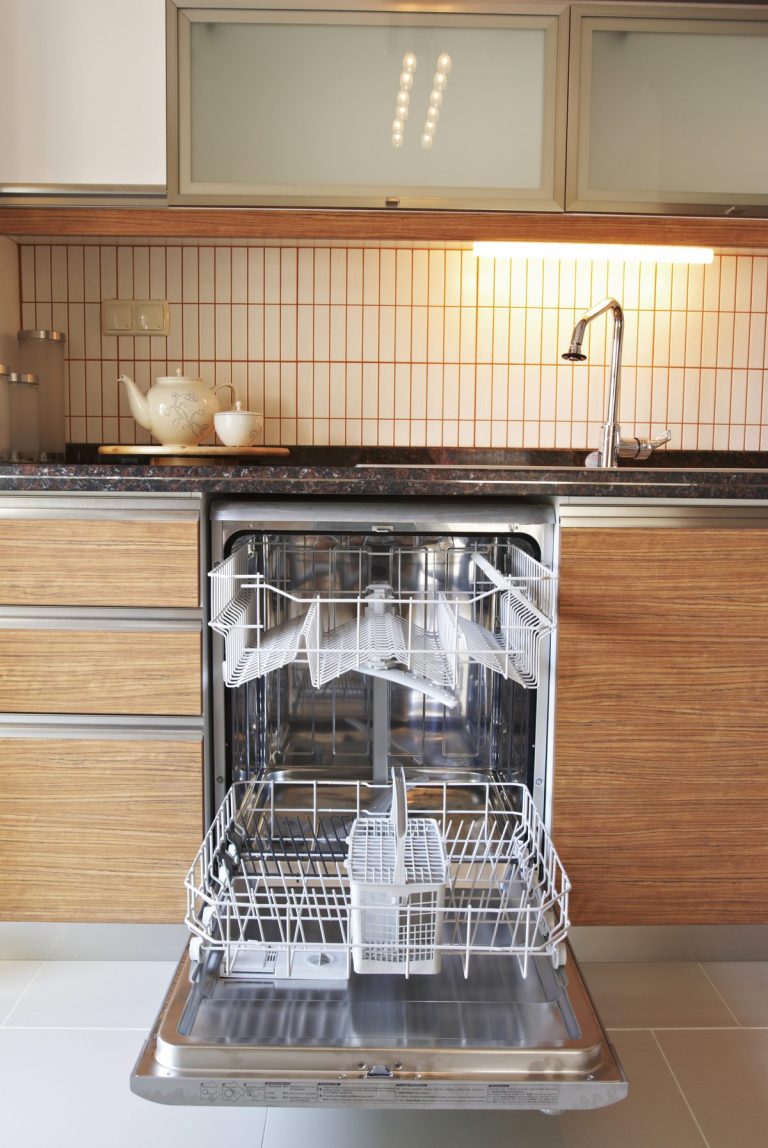 The city’s bulky waste list names appliances and white goods, so a range or dishwasher from an eligible New Orleans home can go out through a 311 request. Put it at the curb only inside the window the city allows, no more than 24 hours before collection.
Have a qualified person shut off and c