
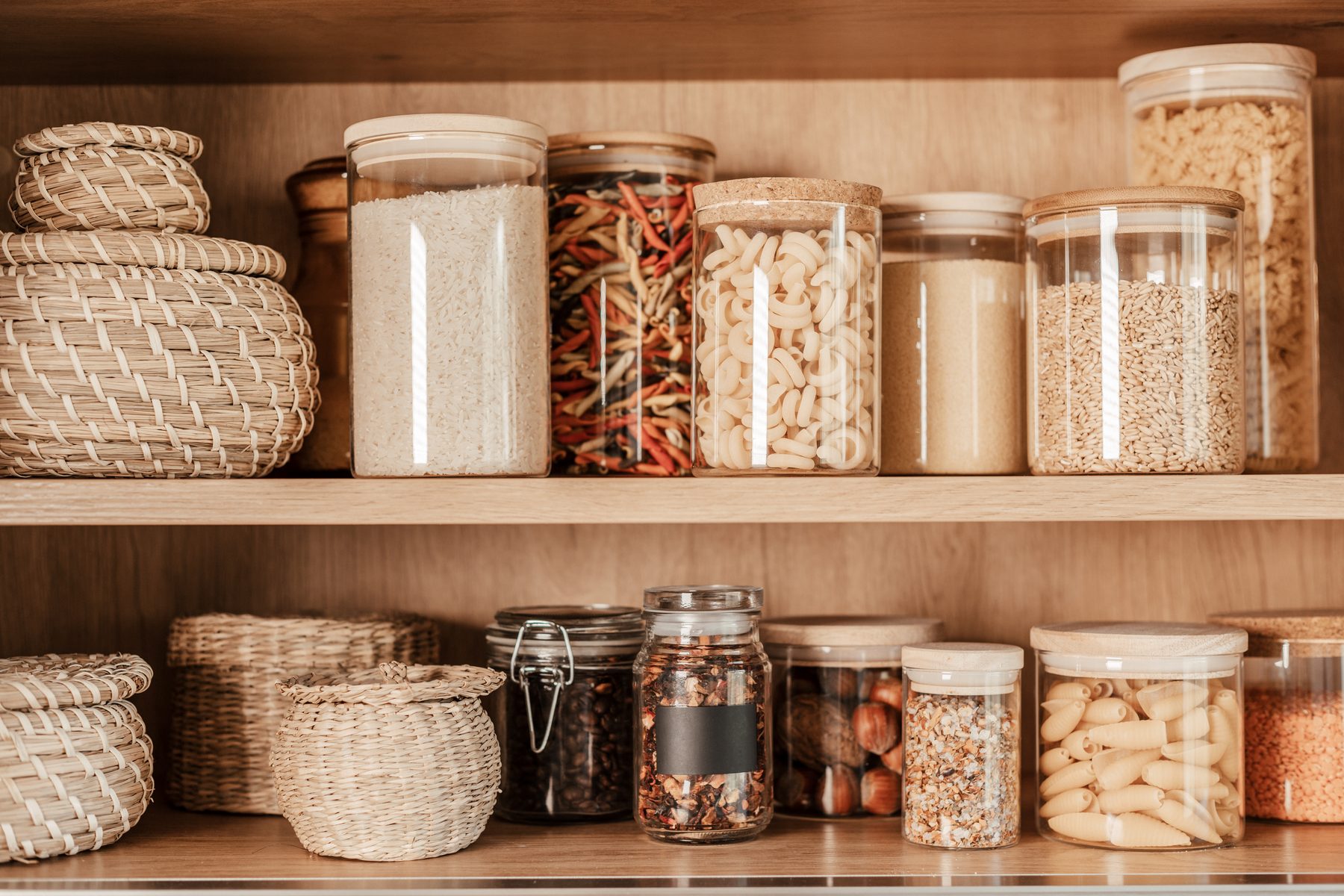
To design a pantry closet in New Orleans, begin by listing what you store and how often you reach for it. Size each shelf to its contents, keep daily items within easy reach, and keep the room cool, dry and away from heat. Build shelving strong enough for canned goods, then plan the light and a door the kitchen can clear.
Last Updated: November 5, 2026
Table of Contents
- How Do You Design a Pantry Closet in New Orleans, LA?
- Which Shelf Depths and Heights Suit a Pantry Closet in New Orleans?
- How Does New Orleans Heat and Humidity Shape a Pantry Closet?
- How Do You Organize a Pantry Closet So It Stays Usable in New Orleans?
- Plan Your Pantry Closet Around What You Store
- Frequently Asked Questions
A pantry closet is a small room with one job: holding food you can see, reach and use in time. Older New Orleans kitchens often predate the idea of a pantry, so groceries end up on counters and cabinet tops.
At Big Easy Kitchens, we build pantry and closet storage that takes pressure off the kitchen itself. Pantries sit inside our closet renovation service in New Orleans, and this page covers how we plan them.
Below, we use published food storage and reach guidance to set shelf sizes, heights and conditions. Then we show how to organize the finished pantry so it stays usable.
How Do You Design a Pantry Closet in New Orleans, LA?
To plan a pantry closet in New Orleans, start by sorting what you store into cans, jars, boxes, bulk bags and small appliances. Then you size shelves to each group, place them by how often you reach, and protect the room from heat.
Starting with the contents keeps the plan honest. A pantry built around a standard shelf kit often ends up with tall cereal boxes lying flat and cans stacked three deep.
Weight is the other early question, because a full run of canned goods is heavier than it looks. We size each shelf and its supports to the load it will carry, and the shelving is built and fitted by our own team.
Which Shelf Depths and Heights Suit a Pantry Closet in New Orleans?
Shelf depths and heights in a New Orleans pantry closet should follow what sits on each shelf and who reaches for it. Shallow shelves keep labels in view, deeper shelves suit bulk near the floor, and daily items belong in easy reach.
Shallow Shelves for Cans, Jars and Spices
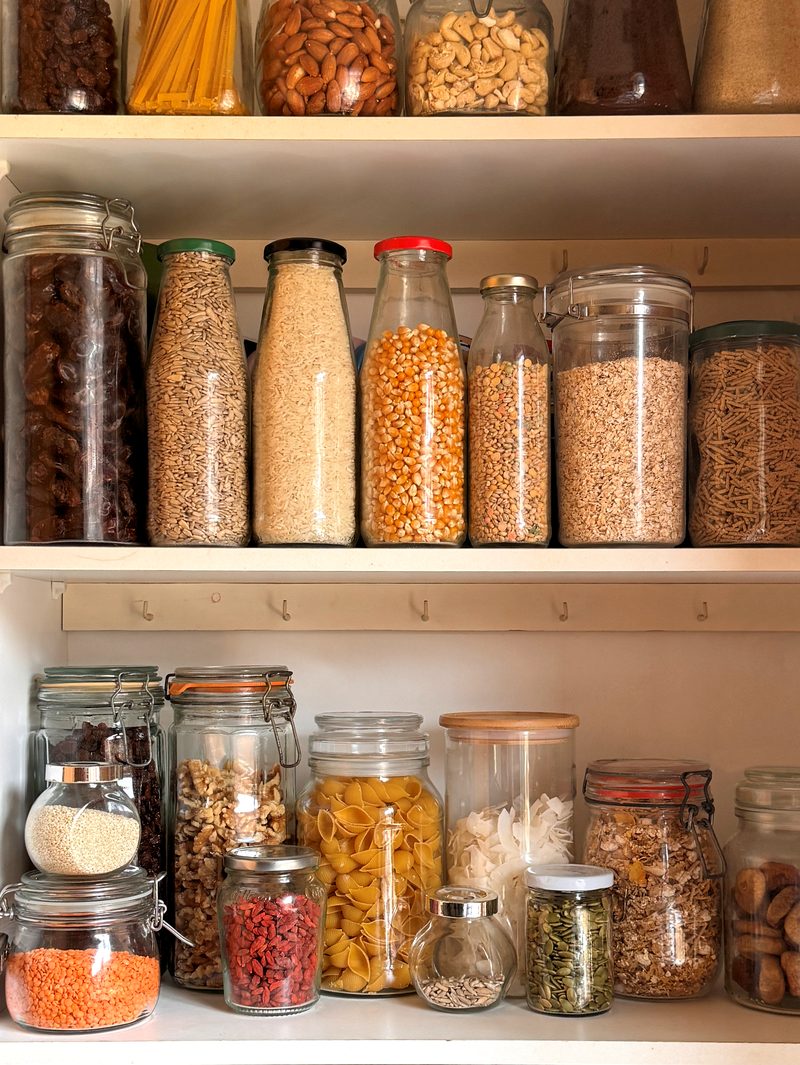
Cans and jars hide behind each other on a deep shelf. One or two rows deep is usually enough to read every label without moving anything.
Spices and small jars often suit an even narrower ledge, or a slim rack on the back of the door. That keeps them off the main shelves, where small items tend to disappear.
Shallow shelving also helps in a narrow closet. Lining three walls with shallow shelves can leave room to step inside, so you are no longer reaching in from the doorway.
Deeper Shelves Near the Floor
Deeper shelves earn their place low down, where rice, flour, drinks and pet food often sit in heavy bags or cases. Heavy items stored low are usually easier to lift than the same items stored overhead.
Small appliances such as a stand mixer or slow cooker often live here too. A deeper bottom shelf, or an open bay at floor level, keeps them off the kitchen counter.
Low shelves have to carry that load for years without bowing, so we pass on thin melamine wherever a shelf runs wide. Our guide on how to maximize kitchen storage space covers what the kitchen can hold once the pantry takes the overflow.
Reach Heights for Everyday Items
The U.S. Department of Justice’s 2010 ADA Standards set an unobstructed forward reach of 15 to 48 inches above the floor. Those standards apply to public buildings and do not govern homes, but the range makes a practical reference for a home pantry.
Food you use daily can sit inside that band, with seasonal baking supplies and spare paper goods above it. We cover reach in the kitchen itself in our guide to aging-in-place kitchen remodeling in New Orleans.
Shelf spacing follows the same logic. Leave room above each shelf for its tallest item plus your hand, and choose adjustable shelves if your shopping changes with the seasons.
How Does New Orleans Heat and Humidity Shape a Pantry Closet?
New Orleans heat and humidity shape a pantry closet by limiting where in the house it can go and which foods it holds well. Food keeps better in a clean, dry, dark and cool space, away from any appliance that gives off heat.
The Academy of Nutrition and Dietetics’ guidance, reviewed in 2026, gives a cool range of 50°F to 70°F. It adds that storage above 100°F tends to lower the quality of many foods, especially canned goods.
A closet beside the oven or water heater is usually a poorer spot for food. Damp is the other risk in a shut room, and our post on how to keep closets dry and mildew-free covers it. If your only spare closet sits beside the water heater, describe the space to us and we will say what fits.
How Do You Organize a Pantry Closet So It Stays Usable in New Orleans?
You organize a pantry closet in New Orleans by grouping food by type, moving older stock to the front and sealing every opened package. Good light and a door that suits the kitchen keep the system easy to use day to day.
Zones by Type and Frequency
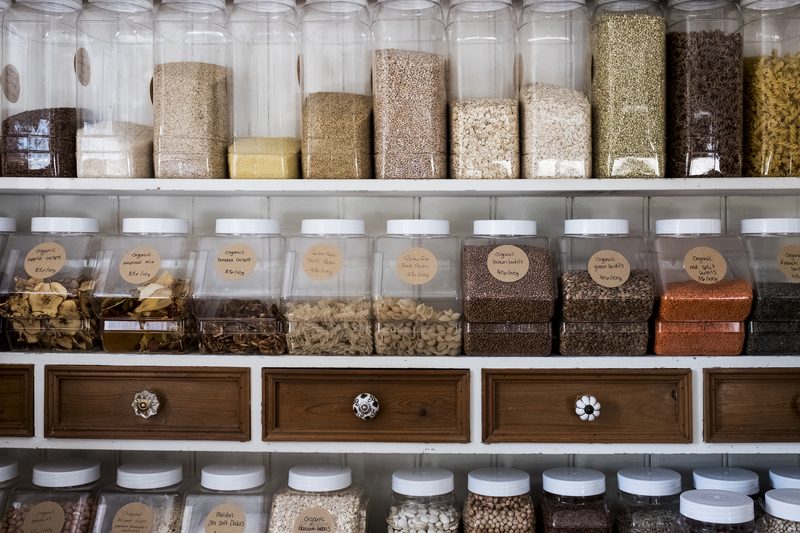
Group like with like, such as canned goods in one zone and baking supplies in another. Then place each group by how often you use it, with weeknight staples at the front of the reachable band.
A small landing shelf near the door helps too. It gives you somewhere to set down a grocery bag or a jar while you reach for something else.
Our post on ways to keep your kitchen organized and tidy goes further into categories and labels. Once the zones are set, labels help everyone in the house put things back.
Rotating Older Stock to the Front
The Academy of Nutrition and Dietetics’ 2026-reviewed guidance advises placing older containers in front so they get used first. It says high-acid canned foods, such as tomatoes and fruit, may keep for 12 to 18 months.
The same 2026 guidance says less acidic canned foods, such as meats and vegetables, may last two to five years. It also says to discard cans that are cracked, bulging or leaking.
Shelves you can scan in one glance make that rotation realistic. When every label is visible, older cans get used before newer ones hide them.
Sealed Containers and Easy-Clean Shelves
The Academy’s 2026 guidance also says opened rice and pasta belong in dry, airtight containers, which help keep out insects and rodents. Clear, square containers usually stack tighter than the bags they replace.
Clemson Cooperative Extension’s pantry pests fact sheet, first published in 1998, says to clean spills, caulk cracks and crevices, and repair damaged shelves. That makes shelf finish a design choice as much as a cleaning one.
Smooth, sealed shelf surfaces with tight joints leave fewer places for crumbs to collect. They also wipe down quickly after a spill.
Light and the Door
A pantry you cannot see into gets used badly, so we place the light while planning the shelves. A licensed electrician should handle any new wiring the pantry needs.
The door matters in a busy kitchen. A hinged pantry door can clash with a fridge or dishwasher door, while a sliding or bifold door needs no swing space.
If the pantry is part of a wider kitchen project, our small kitchen remodeling service plans both rooms together.
Plan Your Pantry Closet Around What You Store
A pantry closet works when each shelf fits its contents, daily food sits within reach, and the room stays cool and dry. Settling those points in the plan, before any shelf goes up, saves you from rearranging the whole pantry a few months later.
At Big Easy Kitchens, we plan the pantry layout, shelving and light as one set, then build it with our own crew. Book a free consultation at 504-383-9473 to have your pantry closet measured and planned.
Frequently Asked Questions
How do you organize a pantry with deep shelves?
You organize a pantry with deep shelves by keeping backup stock at the back and the items you use now at the front. Pull-out bins, risers and turntables bring the back within reach, so nothing sits forgotten behind the front row. Give each bin one food type so it stays easy to scan.
How far apart should pantry shelves be?
Pantry shelves should sit far enough apart to fit the tallest item on each shelf, with room for your hand to lift it out. The gap differs from shelf to shelf, since cereal boxes, cans and spice jars vary in height. Adjustable shelving lets you change the spacing later.
How do you organize a walk in pantry?
You organize a walk-in pantry by giving each wall a zone. Put daily food at eye level, heavy bulk near the floor and spare stock up high. A landing shelf by the door gives you a place to set bags down, and a clear aisle leaves room to turn around.
What shelves work best for pantry storage?
Shelves that suit pantry storage are sized to their contents and built to carry real weight over time. Shallow shelves hold cans and jars, deeper shelves hold bulk near the floor, and smooth sealed surfaces wipe clean. Wide shelves get supports matched to their load, never thin melamine.
Is a pantry a closet?
A pantry can be a closet, meaning a small room or reach-in space lined with shelves for food. It can also be a tall cabinet unit built into the kitchen cabinetry. Our article on the art of vertical storage covers the cabinet kind.
Who installs custom pantry shelving systems?
We design and install custom pantry shelving across Greater New Orleans, including Metairie, Covington, Mandeville, Madisonville, Abita Springs, Slidell and Hammond. Our own crew does the building and fitting, and the initial consultation is free with no obligation. When we come out, we measure the space and talk through what it needs to hold.